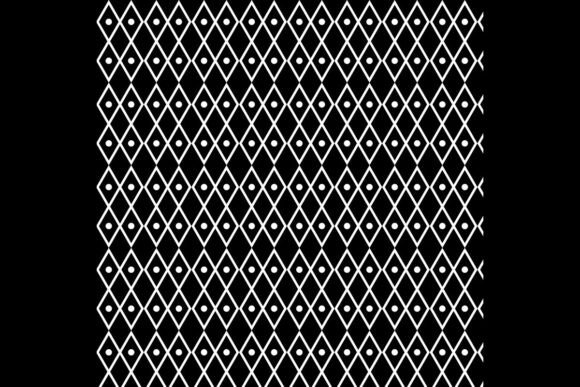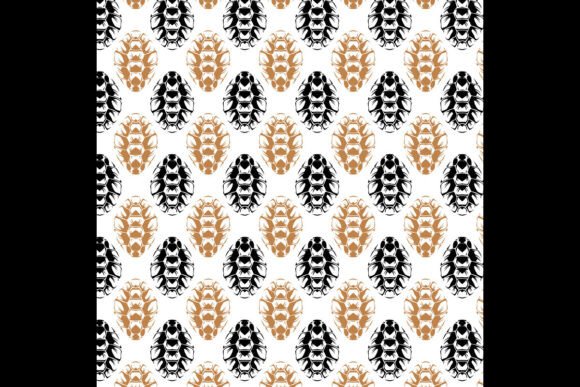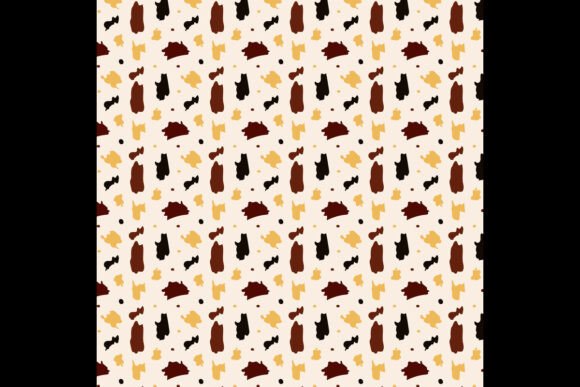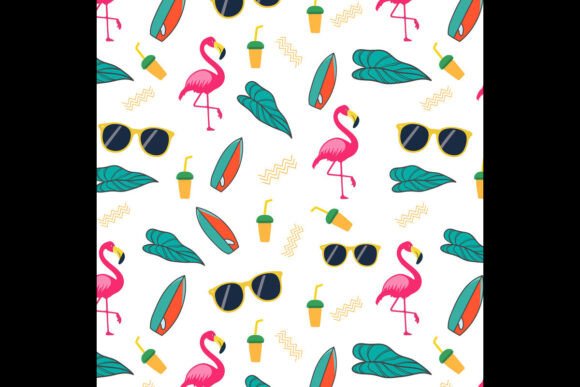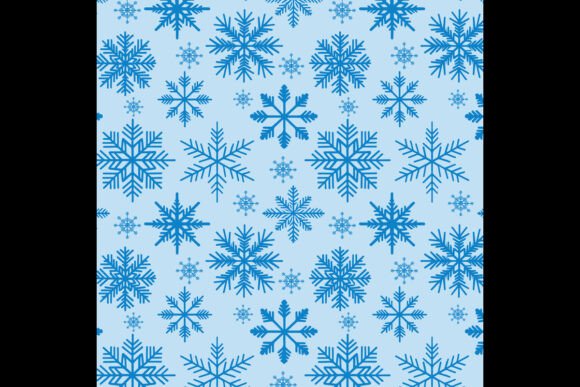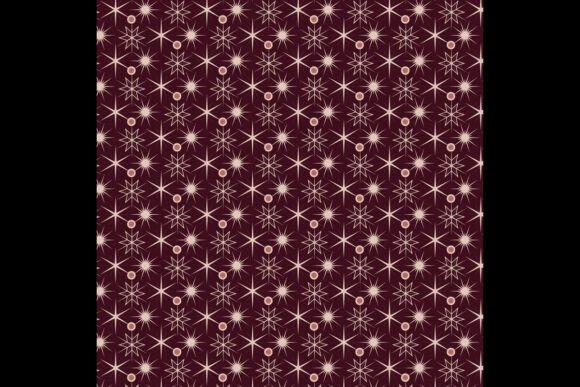
Seamless Geometric Pattern Design
You’ve probably seen patterns that repeat infinitely without any visible seams – that’s the magic of seamless geometric pattern design. Think of a tile floor, a fabric print, or a wallpaper that flows flawlessly from edge to edge. These patterns are built from repeating shapes like triangles, hexagons, chevrons, or diamonds, arranged so the motif aligns perfectly when tiled. The result is a continuous, uninterrupted visual rhythm that works for almost any creative project. Whether you’re a DIY enthusiast, a small business owner, or someone who loves personalizing everyday items, seamless geometric patterns offer a practical, eye-catching foundation.
Where These Patterns Shine in Real Life
Let’s talk about the everyday scenarios where these patterns become surprisingly useful. Party decorations are a classic go-to – imagine crafting custom banners, cupcake toppers, or table runners with a bold geometric repeat. The pattern makes everything look cohesive without requiring you to be a professional designer. For stickers, especially die-cut ones, the seamless nature lets you cut out shapes without worrying about awkward edges. You can peel and stick them onto laptops, water bottles, or planners, and the pattern just keeps going.
Scrapbookers find these patterns invaluable for creating background pages. Instead of hunting for coordinating paper, you can print your own geometric design at any size. Stationery sets – think envelopes, letterheads, and notecards – get a modern upgrade. Even better, because the file comes with a transparent background (SVG), you can layer the pattern over photos or other graphics without ugly borders. Gift wrap becomes a standout when you can print custom wrapping paper that matches the occasion, whether it’s a birthday, wedding, or just a “thinking of you” moment.
And then there’s the world of soft goods. Blankets, baby towels, pillows, and leggings – all of these can be printed with geometric patterns that never break at the seams. For a small shop selling handmade or print-on-demand products, this is a game‑changer. You can offer a whole line of items (like mousepads, phone cases, tumblers, notebooks, and tote bags) with a consistent pattern, making your brand instantly recognizable. Customers love that cohesive look.
Different Users, Different Payoffs
Not everyone uses these patterns the same way. A crafter might print the JPG version directly onto iron‑transfer paper for pillowcases or t‑shirts. The solid color distressed effect included in the file adds a slightly vintage, worn‑in feel that’s hard to achieve by hand. Meanwhile, a graphic designer will appreciate the EPS file, which scales without pixelation and allows easy recoloring in software like Illustrator. The SVG file is perfect for the crafter who uses a cutting machine – Cricut or Silhouette users love that they can resize without losing detail.
For small business owners, especially those selling on platforms like Etsy or Amazon Handmade, seamless geometric patterns are a quick way to create a product line. A single pattern can be applied to phone cases for multiple phone models, tumblers in different sizes, and even leggings or yoga pants. Because the design is seamless, you don’t have to worry about wrapping a print around a curved surface – just position the pattern and let the seamlessness do the work. Event planners also benefit: imagine producing custom tablecloths, photo booth backdrops, or welcome signs with a pattern that matches your theme. No more piecing together mismatched elements.
What to Consider Before You Download
Before you dive into a project, there are a few practical considerations. The files come in a ZIP folder – you’ll need extraction software like 7‑Zip or WinRAR to open it. That’s a one‑time step, but worth mentioning if you’re not used to compressed files. Inside you’ll find: an SVG file (2400×2400 px, 300 dpi), JPG files with a solid color distressed effect, and an EPS file at 300 dpi. The 300 dpi resolution is key for printing – it ensures crisp lines on paper, fabric, or ceramics. Lower resolution often looks blurry when blown up, so this is a strength.
The SVG format is vector‑based, meaning you can resize it from a tiny sticker to a giant wall decal without any loss of quality. The transparent background in the SVG is especially useful for layered designs. But if you need a raster image for certain printers, the JPG files (with the distressed effect) are ready to go. Just remember: the JPGs come with that specific effect, so you can’t easily remove it if you want a clean solid look. The EPS file offers more editing flexibility – you can open it in vector software and change colors, adjust scale, even rotate elements.
One limitation to keep in mind: the pattern is digital, and you’re buying a license for personal or commercial use, but you cannot resell or redistribute the original files. That means you can use the pattern on the products you sell, but you can’t sell the SVG file itself or offer it as a freebie. Also, because it’s an instant download, there’s no physical item shipped – that works well if you need the files immediately, but if you prefer a tangible product, this isn’t the route.
Strengths That Make These Patterns Stand Out
The biggest strength is versatility. One file kit can serve everything from a baby towel to a leggings pattern. The high‑quality 300 dpi resolution means your prints will look professional – no pixelation, no fuzziness. The SVG’s ability to resize infinitely is a major plus for anyone who works with multiple product sizes. You can use the same design on a 6‑inch phone case and a 24‑inch throw pillow, and it will look identical in quality.
Another is the time saved. Instead of creating a pattern from scratch, you get a ready‑to‑use design that’s been tested for seamless repeat. That eliminates the guesswork of aligning edges. The distressed effect on the JPG files gives a subtle texture that many crafters love – it hides minor printing flaws and adds character. For those who prefer a cleaner look, the SVG and EPS files let you start from a solid base.
Potential Limitations to Keep in Mind
No product is perfect, and it helps to know the edges. The patterns are geometric, so if your project requires organic, flowing motifs, this style might feel too rigid. Also, because the files come as a set, you don’t have infinite variations – you get one pattern in multiple formats. If you need a different color palette or a completely new arrangement, you’ll have to edit the EPS or SVG yourself, which requires some software skills. Beginners might find the learning curve a bit steep, though tutorials are widely available.
Another thing: the distressed JPG effect is a specific look. If you want a super‑clean, high‑gloss finish for something like a glossy phone case, the distressed version might not match your vision. You’d rely on the SVG or EPS and add your own texture. Finally, because the pattern is digital, you are responsible for color management – what you see on screen may print slightly differently depending on your printer’s calibration. Ordering a sample print first is always a good idea for physical products.
A Practical Walk‑Through for Common Projects
Let’s say you want to make a set of notebooks and tote bags with a matching geometric print. Start by opening the SVG in your design software (or use the EPS in Illustrator). Resize the pattern to fit your notebook cover, then export as a high‑resolution PNG or PDF for the printer. For the tote bag, you might print the pattern on fabric using a transfer method – the JPG with distressed effect can give it a soft, screen‑printed feel.
For party decorations, print the JPG on cardstock and cut out shapes with scissors or a cutting machine. The fact that the pattern is seamless means you can join two pieces of paper together (like a banner) and the seam won’t be noticeable. Use the SVG to create digital invitations that match – just drop the pattern behind text. For mousepads or phone cases, upload the SVG to a print‑on‑demand service. The transparent background is crucial; it lets the pattern show without blocking the product’s shape. Many print‑on‑demand platforms accept SVG directly, which saves you steps.
One user I know personalized a set of baby towels by printing the pattern on bleach‑paper and using it for hooded towels. The geometric shapes looked playful without being overwhelming. Another used the pattern to create a line of leggings for a small fitness brand – the repeat handled the stretch and movement without distortion. Because the design was seamless, the leggings looked like a custom print run, not a simple cut‑and‑paste.
Who Will Love These Patterns the Most
If you’re someone who enjoys hands‑on making – scrapbooking, sewing, card making – these patterns are a fast way to get professional results without hours of design work. Small business owners who sell physical goods (especially on demand) will appreciate the consistency across product categories. Designers and illustrators can use the patterns as backgrounds or to build their own collections. Even if you’re just a hobbyist looking to create a one‑of‑a‑kind gift (like a customized tumbler for a friend), the ease of use is remarkable.
The main thing to remember is that you’re getting a digital solution for physical products. The files are intentionally made to be forgiving – high resolution, multiple formats, and transparent backgrounds. They’re not meant to be a plug‑and‑play for every scenario, but they come close. With a little creative effort, you can adapt them to fit your specific project, whether that’s a baby shower decoration or a product line for your online store.