Tortoise Pattern Design: A Practical Evaluation for Creative Projects
Patterns inspired by the natural world have long held a place in design, and among them, tortoise patterns occupy a distinctive niche. Unlike other animal motifs that rely on fur or feather textures, tortoise patterns draw their visual language from the geometric and organic interplay of scutes, shells, and earthy color palettes. A Tortoise Pattern Design typically combines hexagonal or polygonal shapes, warm browns, muted greens, and amber tones, offering a look that is both structured and organic. For anyone considering whether this style suits their creative work, understanding what these designs offer, where they excel, and where they may fall short is essential.
What Tortoise Pattern Design Offers Creators
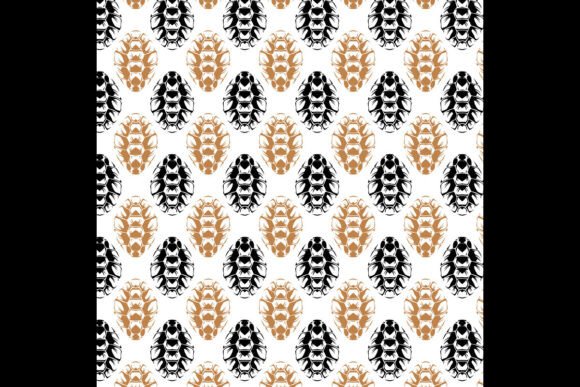
A Tortoise Pattern Design is more than a repeating motif; it is a system of visual elements that mimic the shell of a tortoise. The arrangement of scutes, the varying sizes of polygons, and the subtle gradations of color all contribute to a texture that feels grounded and timeless. These patterns are typically created as digital files, often provided in SVG, JPG, and EPS formats, with resolutions up to 2400 by 2400 pixels at 300 dpi. This resolution is well suited for both digital mockups and physical printing, as it allows for crisp reproduction on surfaces ranging from fabric to paper.
For creative professionals and hobbyists alike, the appeal lies in the pattern's adaptability. Because the files come with transparent backgrounds and are easy to resize, they can be applied to nearly any surface without distortion. This flexibility makes them a practical choice for party decorations, stickers, scrapbooks, stationery, gift wrap, blankets, baby towels, mousepads, phone cases, tumblers, notebooks, leggings, pillows, tote bags, and similar items. The solid color distressed effect available in the JPG files adds a weathered quality that can soften the pattern and give it a tactile feel, even when printed on smooth materials.
Evaluating the Benefits and Tradeoffs
When assessing whether a Tortoise Pattern Design is right for a project, it is helpful to weigh its strengths against potential limitations. One clear benefit is the pattern's visual uniqueness. Compared to more common floral or geometric repeats, a tortoise motif stands out without being garish. Its natural palette tends to coordinate well with neutral backgrounds, making it easier to integrate into existing designs. The high resolution also means that the pattern will maintain its integrity when scaled up for larger items like blankets or ottomans, or scaled down for smaller applications like stickers or phone cases.
Another advantage is the ease of editing. Files come as SVG and EPS vectors, which can be opened in software such as Adobe Illustrator, Inkscape, or Affinity Designer. Colors can be changed quickly, allowing a creator to shift from a warm amber palette to a cooler green or monochrome look. This is particularly useful for brands or individuals who want to maintain a consistent aesthetic across multiple products. The transparent background further simplifies layering the pattern onto product mockups without time-consuming cleanup.
However, there are tradeoffs to consider. While the pattern is versatile, its natural and somewhat niche aesthetic may not suit all audiences. A tortoise motif can feel too subdued for projects requiring high energy or bold statements, such as children's party decorations aimed at very young audiences or sportswear lines. In those cases, a more vibrant or playful pattern might be a better fit. Additionally, while the distressed effect adds character, it may not appeal to those seeking a crisp, modern, or minimalist look. The weathered appearance could read as dated or overly rustic depending on the context.
Another practical consideration is the file format. The designs are delivered in a single ZIP folder, which requires extraction tools such as 7-Zip or WinRAR. This is standard for digital downloads, but it adds a small step for users who may not have extraction software installed. The digital nature of the product also means there is no physical item to inspect before purchase, so creators must rely on the provided previews and descriptions to gauge whether the pattern will meet their expectations.
Understanding Usage and Limitations
For those evaluating a Tortoise Pattern Design, it is important to understand both permitted and prohibited uses. The pattern is intended for incorporation into physical products such as stickers, T-shirts, cards, framed artwork, scrapbooks, wall decor, and similar items. This makes it a practical asset for small businesses, crafters, and artists who produce tangible goods. The license typically allows for use on an unlimited number of physical products, provided the pattern is incorporated into a larger design or product.
However, the license explicitly prohibits reselling, distributing, or sharing the images in their original format. This means the pattern files cannot be offered as standalone downloads, freebies, or gifts. For a creator who wants to build a digital asset store, this limitation would make a Tortoise Pattern Design unsuitable as a product to resell. Instead, it is intended as a tool for making finished goods, not as a raw asset to be redistributed. Understanding this boundary is critical for anyone who might be considering using the pattern in a commercial digital marketplace.
The digital instant download nature of the product also means that returns or exchanges are not typically available. This is standard for digital goods, but it places the responsibility on the buyer to verify that the pattern's scale, color, and style align with their project before purchasing. Reviewing the dimensions, resolution, and any watermarked previews carefully is a practical step that can prevent mismatches.
When Tortoise Pattern Design Is a Strong Fit
Tortoise pattern designs excel in contexts where a natural, grounded, or earthy aesthetic is desired. For wedding invitations, nature-themed stationery, or rustic home decor, the pattern can add a layer of sophistication without overwhelming the overall design. Its geometric structure also makes it a good candidate for products intended to feel artisanal or handmade, such as fabric wraps, blankets, or tote bags. The warm color palette works especially well in autumn-themed projects or designs that incorporate other natural elements like wood, stone, or botanical illustrations.
For creators working on products aimed at adults or teens who appreciate subtle patterns, a tortoise design is often well received. It offers enough visual interest to be decorative without being distracting. Items like phone cases, notebooks, and mousepads benefit from this balance, as they are used frequently and need to remain visually pleasing over time. The pattern's complexity also helps hide minor wear and tear, making it practical for items that receive daily use.
Another strong use case is in gift wrap and packaging for eco-friendly or nature-themed brands. The distressed effect can reinforce a sense of authenticity and craftsmanship, which is often valued in those markets. Similarly, in scrapbooking, the pattern serves as a neutral yet interesting background that complements photos and embellishments without competing with them.
When Alternatives May Be Worth Considering
There are situations where a different pattern type might serve a project better. If the goal is to appeal to a very young child, a tortoise pattern's muted tones may not have enough contrast or vibrancy. Patterns with brighter colors, larger shapes, or cartoon elements would likely generate more engagement. Likewise, for sports, fitness, or athletic product lines, tortoise motifs may feel too calm and organic. Geometric or abstract patterns with high contrast or metallic accents often align better with that energy.
For creators who need maximum flexibility in digital resale, the use restrictions on the original files are a significant limitation. If the goal is to build a digital storefront selling design assets, a tortoise pattern in this format cannot be used. In that case, a creator would need to license or create patterns with a different usage agreement, ideally one that permits redistribution under specific terms.
Additionally, for projects that require extreme precision or a very specific color match, the pre-made nature of the pattern may not suffice. While the SVG and EPS files allow for color editing, the underlying geometry is fixed. If a project calls for a custom arrangement of scutes or a non-standard scale, creating an original pattern from scratch may be a better investment of time and resources.
Practical Decision-Making Insights
Choosing whether to use a Tortoise Pattern Design involves evaluating the pattern's fit against the project's audience, aesthetic goals, and practical constraints. Start by considering the end user. If the product is meant for someone who appreciates subtle, natural motifs, the pattern is a strong candidate. If the audience expects bold, modern, or high-energy visuals, look elsewhere.
Next, consider the production process. Because the files are high resolution and provided in multiple formats, they integrate smoothly into most design workflows. The transparent background and vector scalability reduce technical friction, which is a genuine advantage for creators who want to move quickly from concept to product. The main technical hurdle is having the right software to edit the vector files if color changes are needed, but free tools like Inkscape can handle SVG files, making this accessible to most users.
Finally, consider the licensing boundaries. If the pattern will be used strictly for physical products, the license aligns well with typical small business needs. If there is any intention to sell or share the digital files themselves, the license will not permit it. Being clear on this point before purchasing prevents future complications and ensures that the pattern is used in a way that respects the creator's terms.
Aligning Tortoise Pattern Design with Your Goals
A Tortoise Pattern Design can be a practical and visually rewarding asset for a wide range of creative projects. Its natural geometry, earthy palette, and easy-to-edit file formats make it suitable for stationery, decor, textiles, and accessories. The main considerations are whether the aesthetic aligns with the intended audience and whether the usage license fits the project's commercial plans. For creators focused on physical goods with a grounded, artisanal feel, these patterns offer a ready-made solution that saves time and delivers consistent results. For those needing vibrant, high-energy designs or the ability to redistribute digital assets, exploring other pattern types may be more appropriate. Evaluating these factors honestly will help ensure that the design chosen genuinely supports the project's purpose and audience.