Flower Pattern Design Ideas for Creative Projects
Flower pattern design is more than just a decorative trend—it is a versatile visual language that brings nature’s rhythm into everyday objects. Whether you are a designer working on a new collection, a small business owner looking to differentiate your product line, or a hobbyist exploring creative outlets, flower patterns offer endless possibilities. The beauty of a well-crafted flower pattern lies in its ability to be both timeless and adaptable: it can feel romantic, modern, playful, or sophisticated depending on how it is applied. This article explores what makes flower pattern design such a valuable creative resource and how you can use it effectively across a wide range of projects.
What Makes Flower Pattern Design Unique
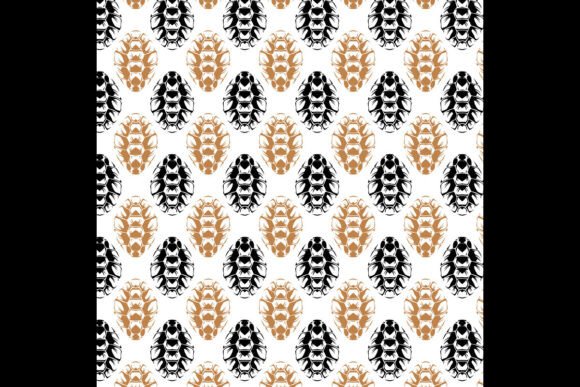
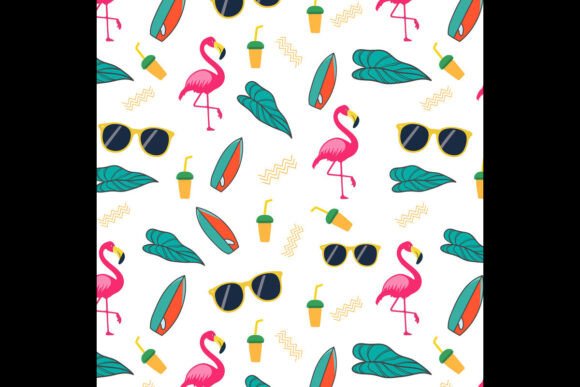
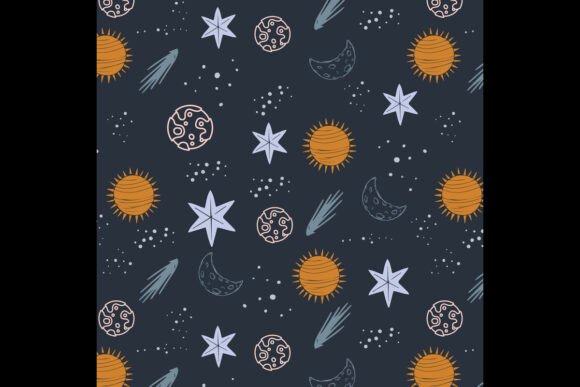
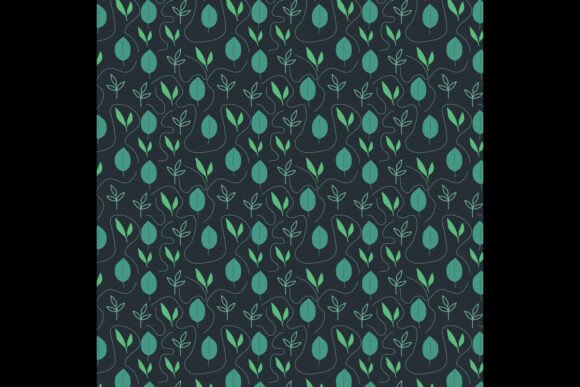
Flower pattern design refers to the repetition or arrangement of floral motifs in a cohesive layout. Unlike a single flower illustration, a pattern creates a continuous visual texture that can be scaled, rotated, and applied to surfaces of any size. A well-designed flower pattern has balance, rhythm, and a clear focal point or color story. Because flowers naturally evoke emotions—calm, joy, nostalgia, or energy—the right pattern can set the tone for an entire product line.
The digital files provided, such as SVG, JPG, and EPS formats, offer flexibility that traditional hand-drawn patterns cannot match. With a 2400×2400 pixel canvas at 300 dpi, the image stays crisp whether printed on a small sticker or a large blanket. The transparent background in PNG (implied by the SVG) allows seamless placement on any product mockup. These technical details matter because they remove friction during the creative process. Instead of spending hours adjusting resolution or cleaning up backgrounds, you can focus on composition and application.
Creative Applications for Every Audience
Flower patterns can be adapted for nearly every medium. Here are some practical ways different users can incorporate them into real projects.
Party Decorations and Event Branding
Floral patterns instantly make party decorations feel cohesive. You can print the pattern on banners, cupcake toppers, table runners, and even coordinated party hats. Because the pattern is high-resolution and scalable, you can resize it for large backdrops without pixelation. For a wedding or baby shower, a soft watercolor-style flower pattern works well. For a birthday party, brighter, more playful colors can energize the space. The EPS file allows you to edit colors in vector software, so matching a specific theme palette is straightforward.
Stickers and Stationery
Stickers are one of the easiest products to create with a flower pattern. You can cut individual motifs or use the full repeat pattern as a background for planner stickers, laptop decals, or scrapbooking embellishments. For stationery, the pattern can become the cover of a notebook, the inside lining of an envelope, or a repeating border on letterhead. Print on matte paper for a vintage feel or glossy stock for a modern finish. Since the files include a solid color distressed effect JPG, you can experiment with textures that give stickers an artisan look.
Scrapbooks and Memory Albums
Scrapbookers value patterns that can be used as backgrounds, accents, or layered elements. A flower pattern design with a transparent background lets you place it behind photos without obscuring faces. Print several sheets at different scales—large for full pages, small for tags and journaling cards. The diversity of use keeps each spread unique. Because the pattern is digital, you can also import it into digital scrapbooking software and resize or recolor individual elements.
Gift Wrap and Bags
Custom gift wrap elevates any present. You can print the flower pattern on standard A4 or A3 paper using your home printer, then wrap boxes, bags, or bottles. For small businesses, offering unique wrapping options can increase perceived value. The pattern can also be printed on fabric to create reusable gift bags or wrap cloths inspired by Japanese furoshiki. Because the SVG file is vector-based, you can scale it to fit wide rolls of wrapping paper without losing quality.
Fabric-based Projects: Blankets, Baby Towels, and Tote Bags
Fabric transfer paper makes it possible to apply flower patterns onto textiles. Tote bags become personalized accessories for farmers’ markets or books. Baby towels and blankets feel softer and more custom when adorned with a delicate floral pattern. The key is to use the SVG file so you can adjust the size of the pattern to match the product dimensions. A repeating pattern that is too large can overwhelm a small towel, while a tiny pattern may get lost on a large blanket. Test prints on paper first, then transfer to fabric using iron-on sheets or sublimation.
Phone Cases, Mousepads, and Tumblers
Hard surfaces like phone cases, mousepads, and tumblers are perfect for full-wrap patterns. The transparent background ensures the pattern covers the entire product without awkward white gaps. Most print-on-demand services accept SVG or high-resolution PNG files, so you can upload and sell directly. Mousepads with flower patterns are popular for home offices, while tumblers appeal to outdoor enthusiasts who appreciate floral aesthetics. For phone cases, consider whether the pattern should wrap around the edges or sit as a central image—the SVG gives you control to create both versions.
Notebooks, Leggings, and Pillows
Notebook covers can be printed in bulk using the EPS file for consistent color management. Leggings require a seamless tile, and the 2400×2400 px SVG ensures the pattern repeats evenly without mismatched seams. Pillows printed on both sides benefit from a symmetrical or mirrored layout, which you can achieve by duplicating and flipping the pattern in your editing software. For all these products, the high 300 dpi resolution guarantees that stationary items and activewear alike maintain sharpness.
Adapting the Pattern for Different Styles and Audiences
A single flower pattern can serve multiple aesthetics depending on how you color, scale, and layer it. Designers might create a monochrome version for minimalist branding, while educators could use the original colors to teach botany or pattern repetition. Hobbyists often prefer vibrant, saturated hues for scrapbooking, while marketers might desaturate the pattern for a more professional look in brochures or social media graphics. The ability to change colors easily in the SVG or EPS file is a major advantage: you can generate a spring palette, a holiday-specific set, or a neutral collection for year-round use.
For small business owners, adapting the pattern to fit a target demographic is crucial. A pattern aimed at children might feature larger blooms with high contrast, while one for luxury stationery would have delicate, fine-line illustrations with soft pastels. Bloggers and content creators can use the pattern as a consistent background for video thumbnails or website headers, reinforcing brand identity. Because the pattern is digital and downloadable instantly, you can test variations quickly without waiting for physical samples.
Practical Tips for Working with the Files
To get the most out of your flower pattern design, follow these recommendations:
- Use the SVG file for resizing. Vector graphics scale infinitely, so you can make a pattern as large as a wall mural or as small as a nail decal without quality loss. Always work from the SVG when you need to maintain sharp edges and solid colors.
- Edit colors in the EPS file. Open it in vector software like Adobe Illustrator or CorelDRAW. Select individual petals or leaves and change the fill color. Keep complementary colors to preserve the pattern’s harmony.
- Layer the JPG with distressed effects for a vintage or grunge look. This works especially well on tote bags and apparel where you want an organic, hand-printed feel.
- Check the resolution before printing. At 300 dpi and 2400×2400 px, you can print up to 8×8 inches at maximum quality. For larger prints, scale the SVG as needed—just ensure your printing service can handle vector files.
- Organize your projects by keeping separate folders for color variations and product mockups. This saves time when you revisit a pattern later for new ideas.
Extract the ZIP folder using tools like 7-Zip or WinRAR. Save the files in a location where you can easily find them for multiple projects. Because the download is instant, you can start designing within minutes of purchase.
Keeping Your Results Clear and Audience-Friendly
When applying a flower pattern, maintain balance between the pattern and the product’s function. A busy pattern on a notebook cover is fine, but on a mousepad it might become visually overwhelming if the user needs to concentrate. Consider the context: a pillow used for relaxation might benefit from a softer, less repeated pattern, whereas a phone case is a small canvas that can handle more detail. Always preview the pattern on a photo of the product before final printing. Most print-on-demand platforms offer mockup generators that accept PNG files with transparency.
Finally, respect the usage guidelines. These files are for creating physical products for yourself or for sale, but not for reselling the digital files as-is. Do not offer the original images as freebies or share them in their raw format. This protects the designer’s work and ensures that your own products remain exclusive and valuable.
Flower pattern design is a creative asset that grows with you. Whether you are launching a store, decorating a home, or building a brand, the right pattern provides a foundation that can be adapted again and again. With high-quality files, transparent backgrounds, and scalable vectors, you are equipped to turn a simple floral motif into a collection of meaningful, beautiful products. Start with one pattern, experiment with one product, and let the results guide your next creative step.